
Tenant isolation
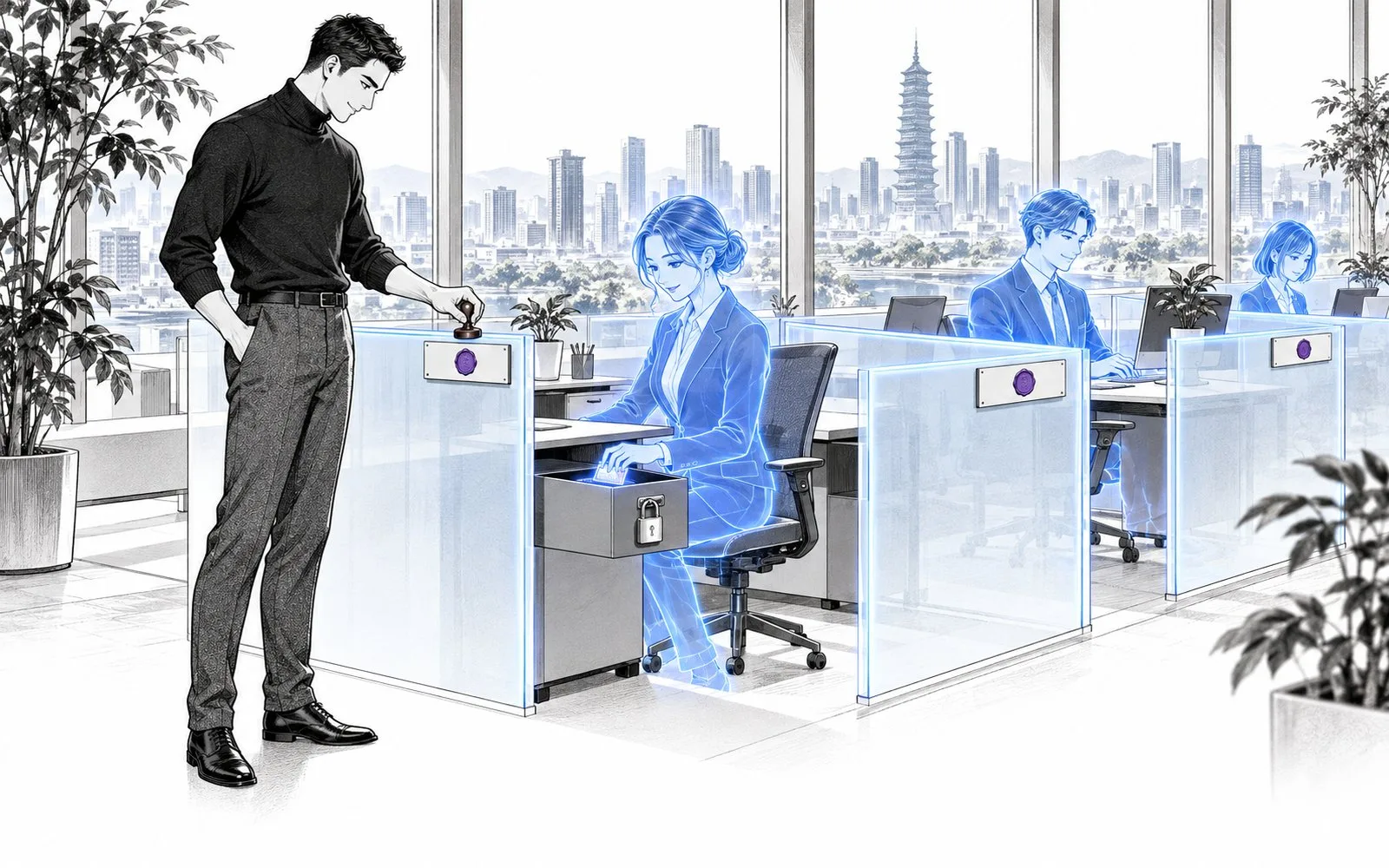
Separate runtime state, workspace, credentials, sessions, logs, and operational access by tenant instead of merging agents into shared identities.
Security and Governance
AI agent security and governance for enterprise teams means defining who owns each runtime, which secrets and policies it can use, how access can be blocked, where browser work happens, and what evidence operators can inspect. Bewize supports that model through Bewize Hub tenant isolation, managed secrets, policy APIs, storage boundaries, browser sidecar isolation, redacted metrics, and evaluation evidence. These are named operating controls, not a blanket security or compliance guarantee.
Answer
Enterprise AI agent security should control tenant identity, runtime state, managed credentials, environment keys, policy boundaries, access state, browser isolation, storage, run history, and redacted operational metrics before agents handle real work. In Bewize, those controls map to Bewize Hub tenant records, per-tenant runtime isolation, one Unix user per tenant in production provisioning, managed secret metadata, tenant environment secret APIs, agent policy APIs, access blocking, restricted rsync access, browser sidecar boundaries, and evaluation evidence.

Separate runtime state, workspace, credentials, sessions, logs, and operational access by tenant instead of merging agents into shared identities.
Keep secret metadata and environment keys under central operational control while avoiding UI surfaces that render raw secret values back to operators.
Control available capabilities, runtime behavior, and tenant-specific feature boundaries from the operating layer.
Give operations a direct control for blocking tenant access and recovering the runtime boundary when a tenant should stop running work.
Bewize names concrete controls and evidence. It does not claim certifications, absolute security, or compliance guarantees it cannot back with source.
Use governance as the connective layer between deployment, orchestration, observability, browser work, and evaluation.
Decide the private host, storage, release, and network boundary before agents start production work.
Review →Connect security controls to lifecycle, schedules, releases, run evidence, and stop paths.
Review →Separate secret metadata, refresh controls, tenant environment keys, and raw secret values.
Review →Keep employee and agent web work inside a controlled browser sidecar boundary when browser automation is required.
Review →Review run history, redacted usage, schedules, request counts, and runtime-impact signals instead of relying on promises.
Review →Pair governance with evaluation evidence before widening what agents can do.
Review →Bewize Hub manages tenant OAuth secret metadata and environment keys through its API-first control plane and focused operator console. This description is limited to source-backed API and runtime behavior.

The UI shows name, scope, provider, status, next refresh, and refresh/delete controls.
Operators can write tenant environment keys while the stored value is not rendered back into the UI.
Secrets and environment keys are shown against the selected tenant boundary.
Source-backed checks keep raw secret values out of returned API metadata.
Operations can manage tenant credentials without introducing a graphical admin surface where secret values are casually copied.
Discuss the tenant boundaries, managed secrets, policies, access controls, browser isolation, run evidence, and claim boundaries your team needs before agents handle production work.

Architecture conversation
Share your deployment boundary, number of agents, work surfaces, and governance requirements. We will reply by email to arrange a focused technical discussion.
Email the Bewize teamThis opens your email application. Read our Privacy Policy.