
Bewize Hub: shipped control plane
Hosts managed agent tenants with lifecycle actions, policy APIs, releases, secrets, storage, schedules, A2A edge access, and usage attribution.
Governed AI acceleration platform
Bewize gives enterprise teams managed AI coworkers that can retain context, coordinate with people, use approved tools, and complete repeatable work. Bewize Hub keeps operations in control, Roomcord connects AI to shared team workflows, and Wize Browser extends approved work to the web.

Answer
Bewize connects AI execution to the operating context around it. Managed workers keep a stable identity and approved capabilities; shared rooms preserve decisions and team context; schedules and tools keep work moving; run evidence makes results inspectable. A2A connects compatible external agents, A2UI carries interactive work, and MCP connects tools and context without replacing ownership, policy, or accountability.
AI coworkers connected to real work
Bewize Hub operates the workers; Roomcord and Wize Browser connect them to team and web workflows.
Bewize Hub
Hosts managed agent tenants with lifecycle actions, policy APIs, releases, secrets, storage, schedules, A2A edge access, and usage attribution.
Gives people and agents shared rooms for context, decisions, and operational collaboration instead of scattering agent work across private accounts.
Carries the same managed agent identity into web tasks through extension and Browser Sidecar components with tenant-scoped browser sessions.
The platform is positioned for private cloud or data-center operation where the company controls runtime placement, storage, credentials, logs, and release decisions.
A2A and A2UI are shipped. A populated specialist-agent network, open discovery, commercial distribution, billing, Slack and Teams adapters, a public browser assistant, and process mining remain future work unless separately proven.
Operations teams get a concrete path from AI experiments to governed agent work without losing ownership of agent identity, policy, isolation, and usage visibility.
A2A addresses agent-to-agent communication patterns, while MCP addresses how models and agents connect to tools and context. Evaluate both at the boundary of a private runtime with identity, policy, and observable runs.
Future vision
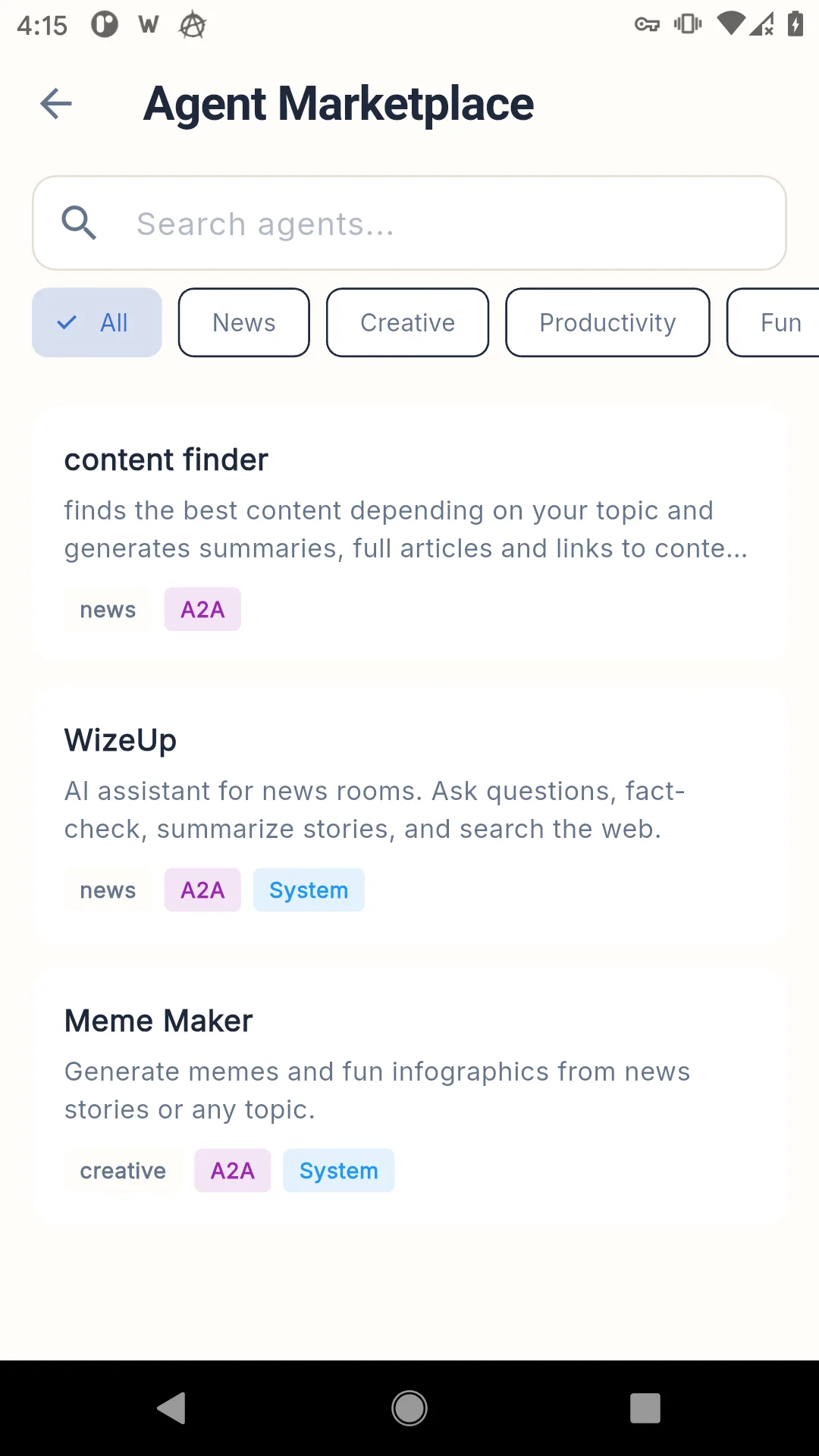
Bewize already supports participation by compatible external agents through A2A and A2UI. Our vision is a curated Specialist Agent Network where experts and companies can provide task-specific agents that customers bring into governed work. Providers, discovery, commercial terms, billing, and marketplace operations are not live today.
Expertise that stays maintained
The provider improves the agent. The customer controls where and how it works.
Specialist Agent Network
Bewize can connect and use compatible third-party agents hosted on Google or other agent platforms instead of limiting participation to Bewize-hosted agents.
Customers could find verified task-specific agents, understand their required permissions and evidence, agree on commercial terms, and bring them into a governed operating room.
A specialist studio could maintain an agent that turns an approved brief into a production plan, coordinates generation tools, presents drafts through A2UI, and returns work for human approval. This is an illustrative future example, not a currently listed provider.
The customer controls agent identity, permissions, context, data boundaries, evidence, cost visibility, approval, version adoption, and removal.
Use these checks to decide whether an AI agent platform is ready for enterprise operation rather than another unmanaged automation tool.
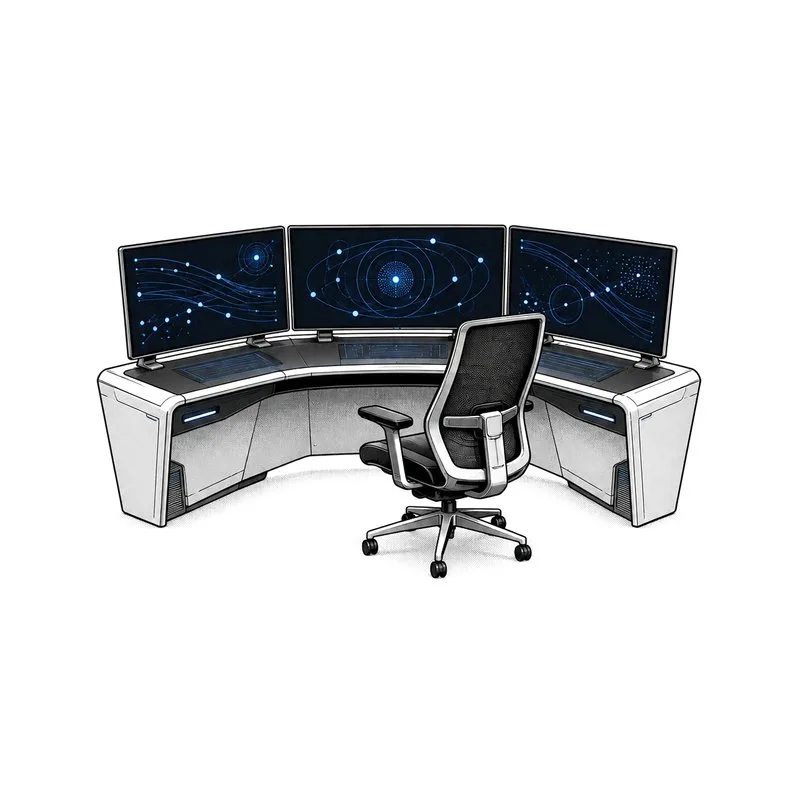
Can each agent run as a managed tenant with known lifecycle, release, storage, credentials, and log boundaries?
Review capability →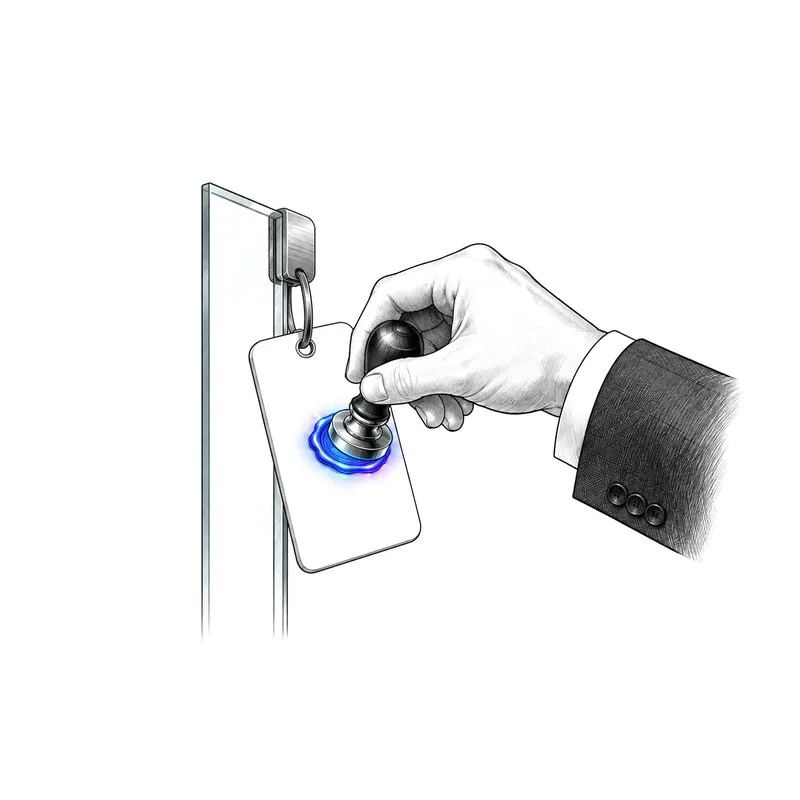
Can operators inspect and change policy, access, secrets, and runtime-impact settings without exposing secret values?
Review capability →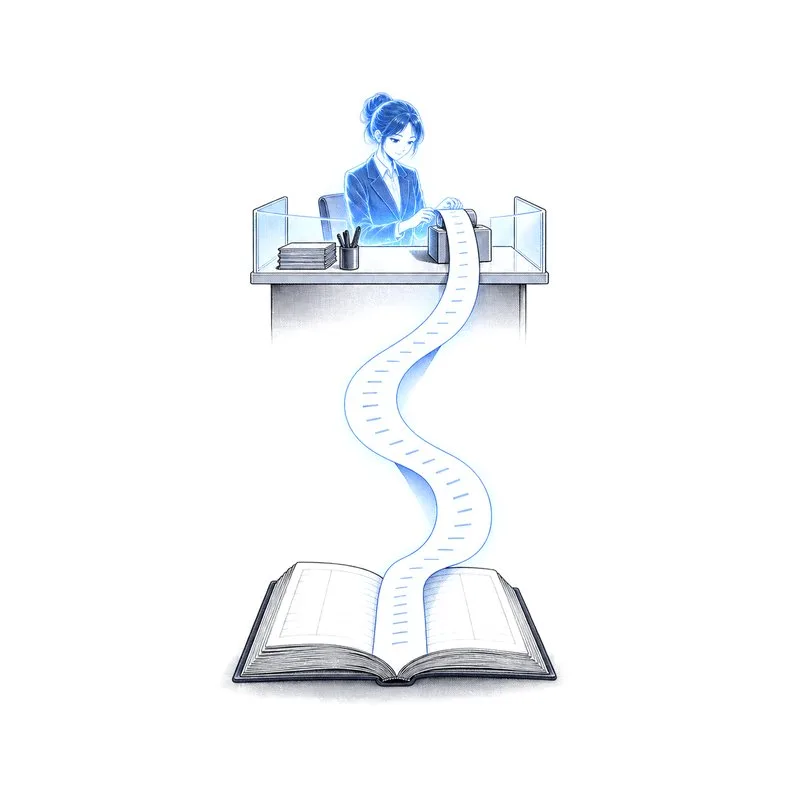
Can the team see runs, schedules, usage, evaluation evidence, and cost signals before expanding agent coverage?
Review capability →
Can the team connect agent and tool workflows while retaining tenant, policy, release, and evidence boundaries?
Review capability →Bewize Hub operates company-managed AI workers, Roomcord brings them into shared team work, and Wize Browser extends their approved capabilities to browser workflows.
Shared rooms where people and AI coworkers coordinate decisions, meetings, files, schedules, and completed work.
View product →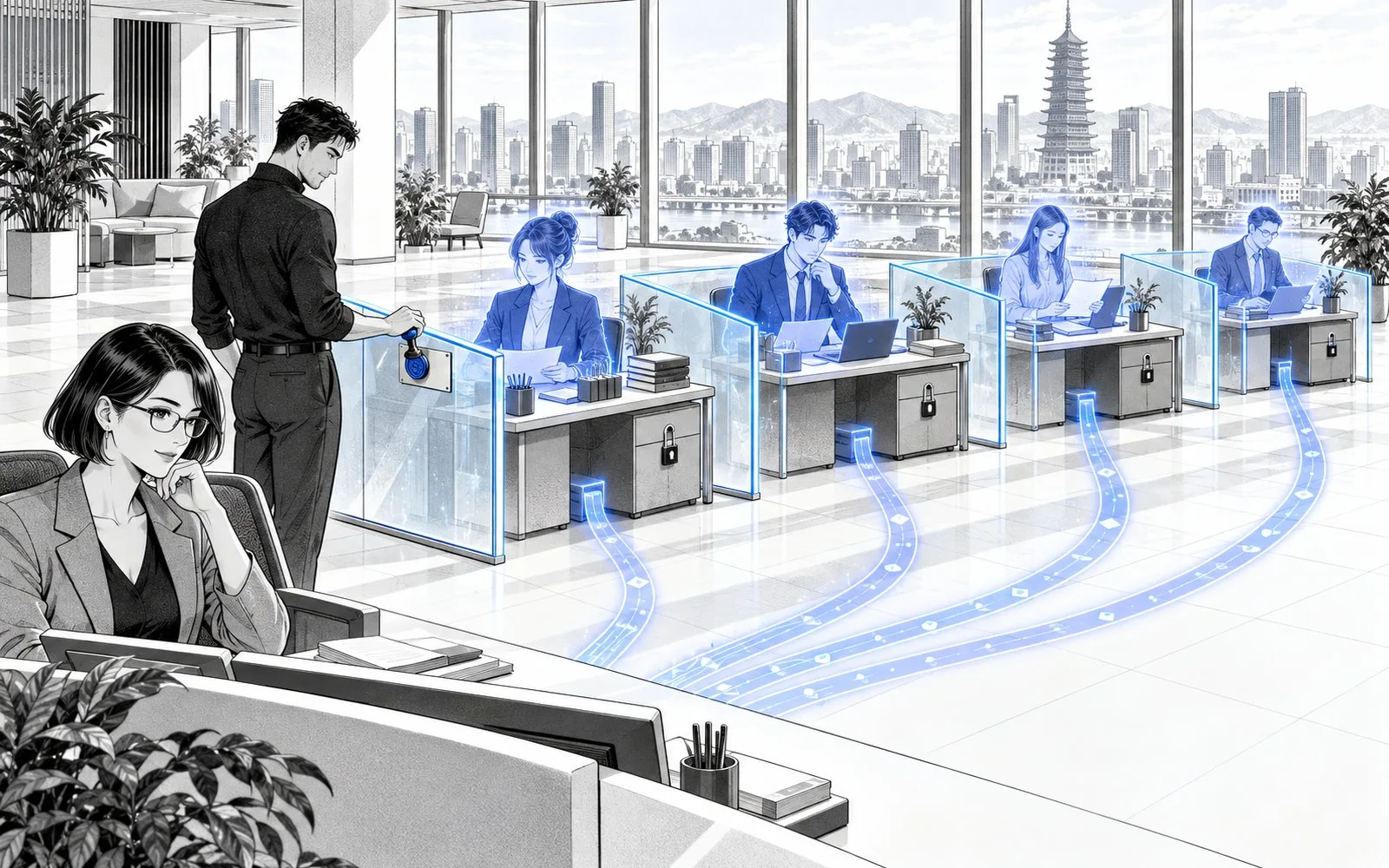
AI agent platform for hosting, orchestration, A2A edge access, flavors, and runtime operations.
View product →
Chrome MV3 extension plus server-side Browser Sidecar isolation for browser agent work.
View product →These pages answer the main enterprise buying questions: how agents are managed, observed, secured, deployed, and connected to work.
Lifecycle, releases, policy, schedules, and tenant runtime control.
Open capability →Runs, usage, schedules, metrics, and spend attribution.
Open capability →Approved reusable procedures and capabilities for managed agents.
Open capability →AgentsEval scenario evidence, replay, and ship/watch/fail verdict rollups.
Open capability →Per-tenant browser profiles, sessions, runtime artifacts, and web-work boundaries.
Open capability →Tenant boundaries, secrets, policy, redaction, and access controls.
Open capability →Room and adapter channels for people working with agents.
Open capability →Private-host and on-premise deployment paths for agent operations.
Open capability →Discuss how Roomcord, Bewize Hub, and Wize Browser should connect for your team: hosted agents, shared rooms, browser work, evaluation gates, deployment boundaries, and observability.

Architecture conversation
Share your deployment boundary, number of agents, work surfaces, and governance requirements. We will reply by email to arrange a focused technical discussion.
Email the Bewize teamThis opens your email application. Read our Privacy Policy.