
Fleet overview
Review tenant health, access state, usage, managed-secret status, and recent activity from one operational overview.
Bewize Hub
Bewize Hub is a supporting component of Roomcord, our main product. It hosts and governs company-managed room agents so they can retain context, use approved tools and carry work forward. Deploy and update workers, govern identity and access, schedule work, inspect runs, recover failures and understand usage from one operating layer on infrastructure your company controls.

Bewize Hub is API-first infrastructure with a focused console for day-to-day operations. These current product captures use safe illustrative tenants and mock operational data.
Review tenant health, access state, usage, managed-secret status, and recent activity from one operational overview.
Inspect first-party agent specializations, installed versions, adoption, and upgrade state.
Manage Hub-owned defaults and understand which configuration changes affect tenant runtimes.
Control share groups and make access relationships explicit across managed tenants.
Browse tenant-scoped files and operational artifacts without collapsing tenant boundaries.
Filter run history, inspect outcomes, and connect token usage to the operational record.
Bewize Hub remains API-first infrastructure, with an operator console for inspecting fleet state, run history, usage, schedules, configuration, files, skills, and first-party flavors. The screenshot uses illustrative mock tenants and operational data.
Filter operational history by time, tenant, and status, then inspect the selected run.
Review token events and aggregate usage alongside run outcomes.
Move from dashboard health into the operational record that explains agent activity.
Visible tenant names, counts, schedules, and verdicts are illustrative rather than customer deployment data.
Bewize Hub turns managed AI worker runtimes into managed tenants: each tenant has runtime identity, lifecycle state, policy, secrets, storage, schedules, and usage evidence. For A2A, the Hub provides controlled edge support with agent cards, credentials, peers, and routed messages rather than exposing private runtime APIs directly.
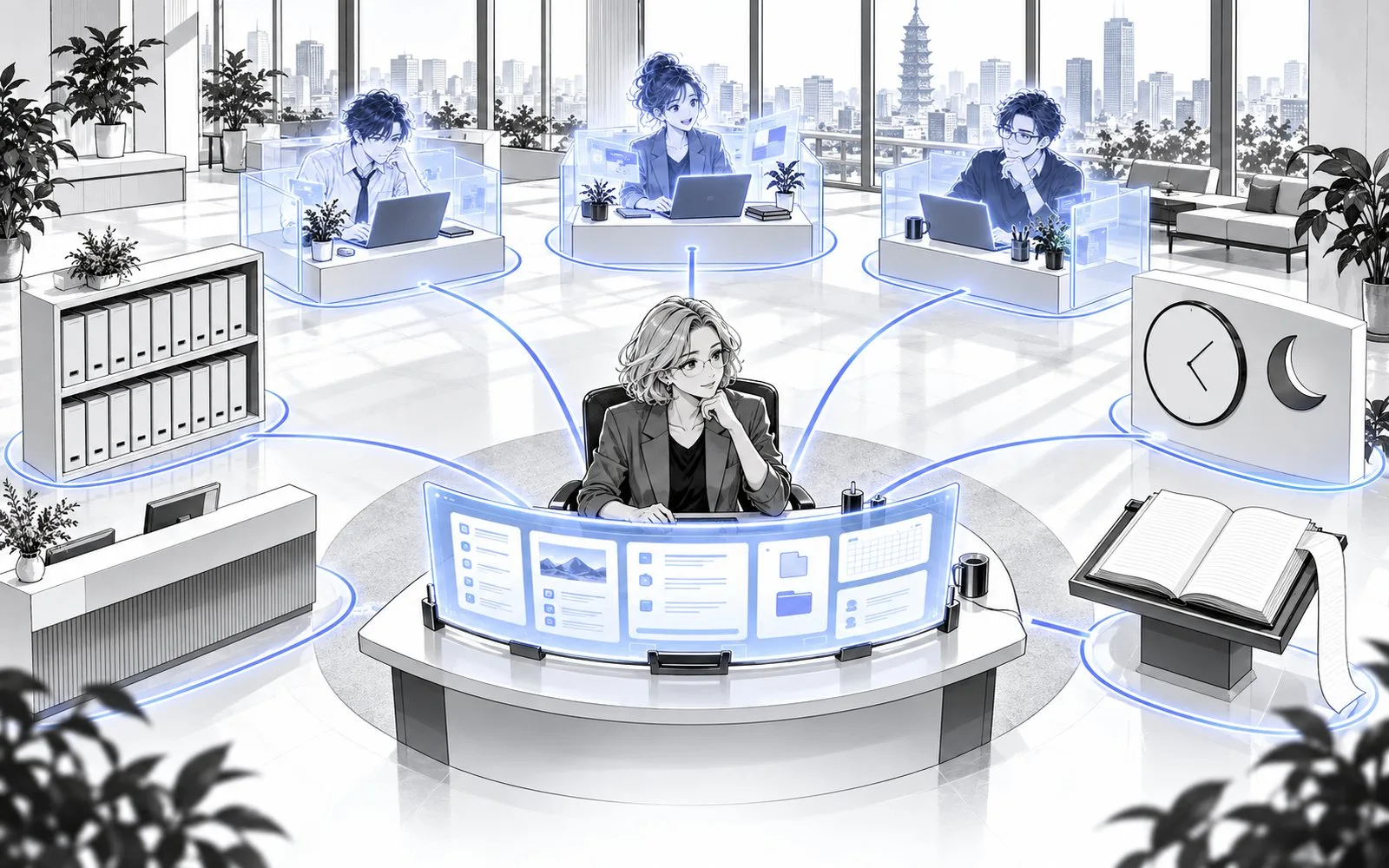
Lifecycle operations, release pinning, scheduler wakeups, run lifecycle, and policy APIs are source-backed.
Tenants expose identity, host, Linux user, home paths, runtime state, storage links, and environment artifacts.
Internal flavors and static templates are supported today. Open third-party publishing is on the roadmap and not shipped.
Source-backed scope is A2A edge support with agent cards, credentials, peers, and message routing.
Platform teams can run AI agents as governed infrastructure instead of unmanaged personal tools.
A2A belongs at the boundary. Bewize Hub lets compatible outside agents meet a tenant through controlled edge access while policies, credentials, files, schedules, and run evidence stay inside company-owned runtime operations.

Compatible A2A agents connect through controlled cards, credentials, peer records, and routed messages instead of direct access to tenant runtime internals.
Lifecycle state, release pinning, secrets, storage, scheduler wakeups, policy APIs, and run history remain part of the tenant operational record.
Roomcord can make agent participation visible to teams in shared rooms; use it when collaboration context matters, not as a replacement for Hub runtime control.
A2A edge support and A2UI are shipped. A populated third-party network with discovery, commercial distribution, and billing, plus broad chat adapters and public browser assistance, remain future work unless separately documented.
Start with the A2A boundary, then review agent orchestration, security governance, observability, and Roomcord collaboration before planning a private deployment.
Roomcord is the product teams use to move from conversation to decision and commitment. Hub and Browser provide the execution and web-work components beneath it. Plan managed AI worker runtime, tenant lifecycle, A2A edge access, policies, secrets, storage, release operations, and the evidence needed for a governed rollout.

Architecture conversation
Share your deployment boundary, number of agents, work surfaces, and governance requirements. We will reply by email to arrange a focused technical discussion.
Email the Bewize teamThis opens your email application. Read our Privacy Policy.